

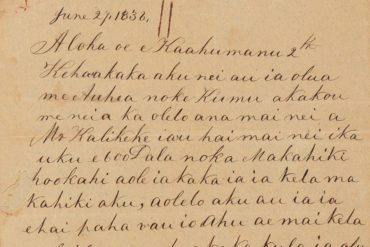
By the mid-1830s, Hawai‘i had endured a series of escalating foreign conflicts. Kauikeaouli (Kamehameha III) was pressured from all sides...
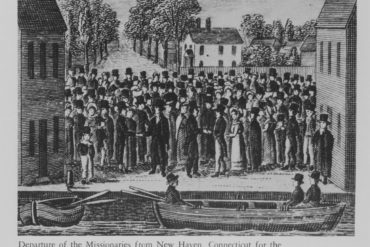
Within two years, the Pioneer Company desperately needed help to achieve their mission: expanding literacy and converting the population. In...
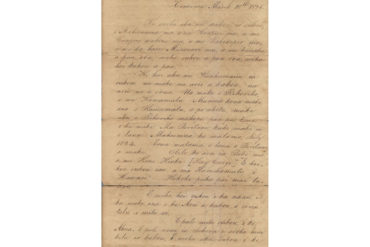
“Kaahumanu informs all of you that our chiefs have died, both chiefs. Liholiho and Kamamalu are dead. …....
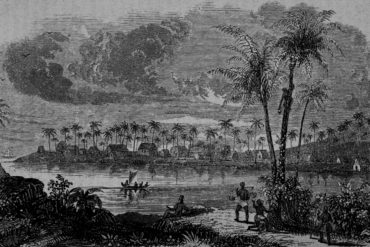
Samuel Ruggles and Samuel Whitney accompanied George Prince Humehume home to Kaua‘i, where he was welcomed with great emotion by...
Keōpūolani, mother of Liholiho and Kaiukeaouli, born with the kapu moe, was the highest ranking ali‘i, though she was instrumental...
Kauikeaouli was Hawai‘i’s longest-reigning monarch, ruling as Kamehameha III from 1825 – 1854. Born to Keōpūolani and Kamehameha I, he...
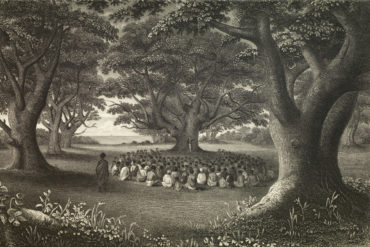
Hawaiians quickly took to reading and writing but were slower to accept Christianity. Ali‘i such as Keōpūolani and Ka‘ahumanu, however,...
The printing press made an indelible impact on Hawaiian history. Beyond first recording the written Hawaiian language, propelling the education...
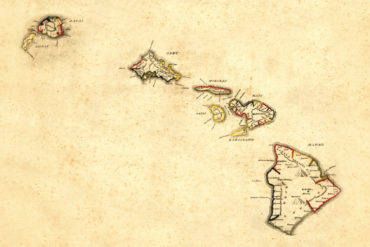
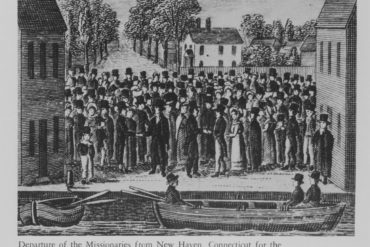
On this anniversary marking the 200th year of the missionaries’ departure from New England and arrival in Hawai‘i, we acknowledge...
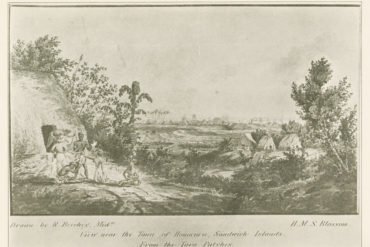
For Hawaiians, land was not something to be bought and sold but a living ancestor. The ali‘i and common people...

In 1839, Kauikeaouli (Kamehameha III) established the Chiefs’ Children’s School in Honolulu, to educate Hawai‘i’s future leaders. Amos and Juliette...
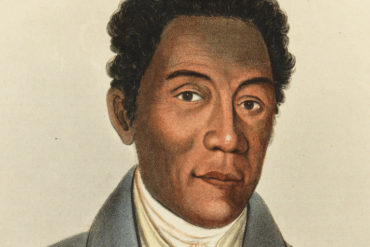
David Malo was a Hawaiian scholar and royal adviser, who is perhaps best remembered today for his book, Hawaiian Antiquities,...