

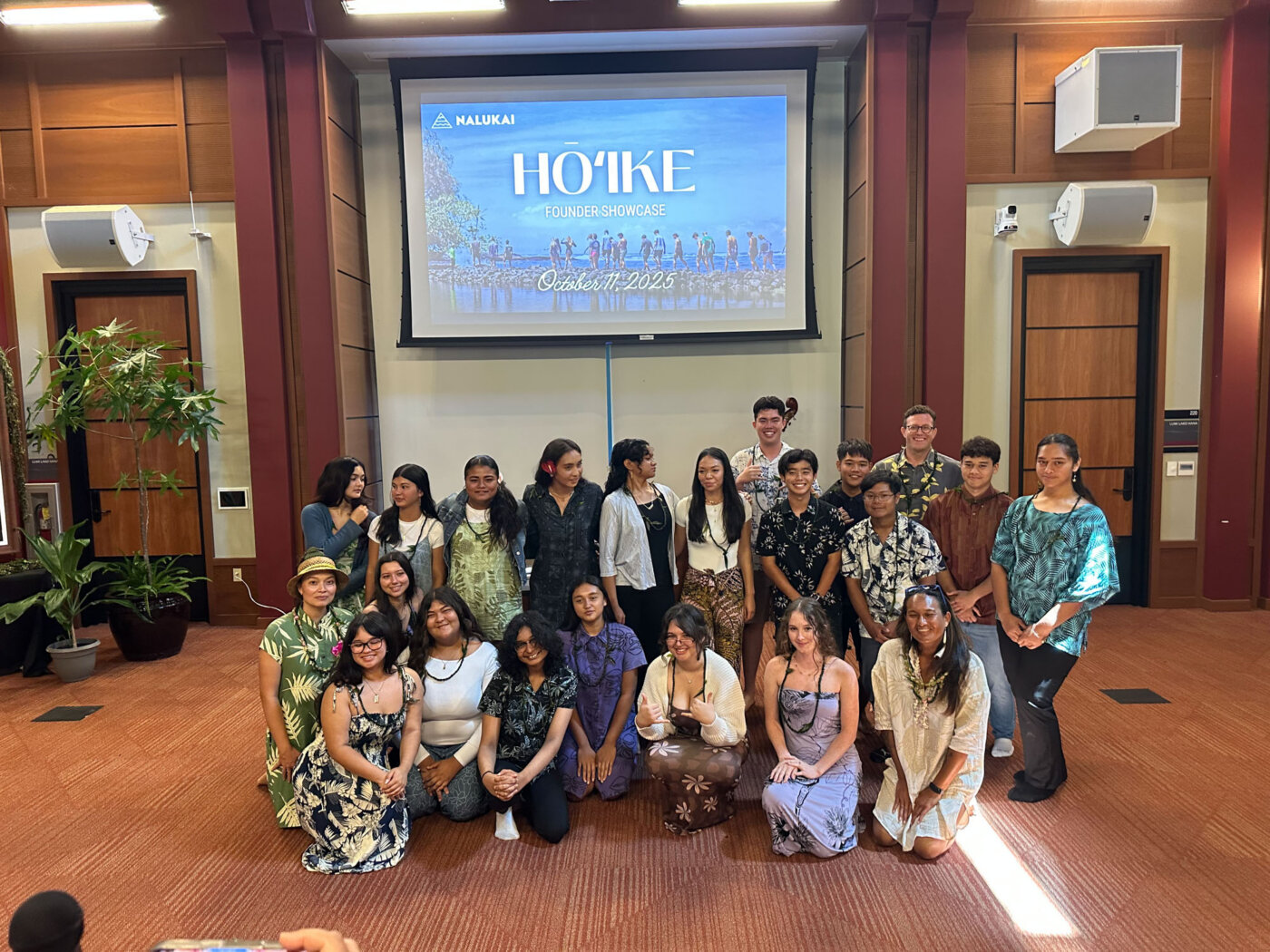
Founded in 2016, Nalukai supports high school students across Hawaiʻi in developing the skills, confidence and sense of responsibility needed to lead in their communities. The nonprofit offers free, immersive entrepreneurship programs that blend innovation with cultural grounding – an approach that aligns closely with Punahou School’s emphasis on purpose-driven learning, student voice and values-based education.
Based on Hawaiʻi Island, Nalukai brings together students from public, private and charter schools statewide for programs including a 10-day summer experience, a Spring Break session, and the Nalukai Academy during Fall Break. Over the years, an estimated 30 Punahou students have participated, learning alongside peers from across the islands in a collaborative, relationship-centered environment.
Several Punahou students who have participated in Nalukai have also gone on to complete the Distinction in Student Entrepreneurship through Punahou’s Case Accelerator for Student Entrepreneurship, extending their learning through applied, real-world work.
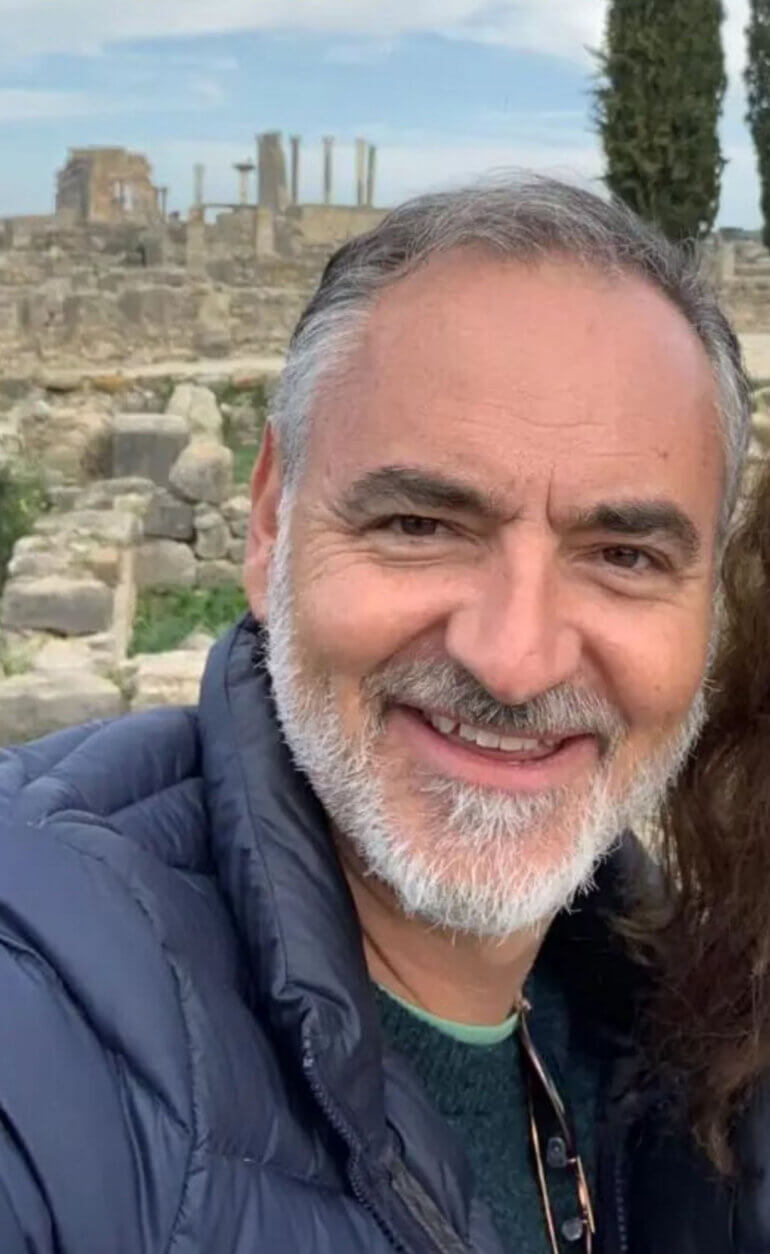
Nalukai was co-founded by Punahou alumnus David Clarke ’87 and entrepreneur Darius Monsef (Parker School ’99), who saw a need for accessible entrepreneurship opportunities for high school students in Hawaiʻi. From the outset, the program was designed to remove barriers: participation is free, each student receives a laptop and cohorts reflect the geographic and cultural diversity of the state.
“What we wanted to create was an experience that treated young people as capable thinkers and contributors,” Clarke said. “Students in Hawaiʻi have deep insight into the problems around them, but they’re not often given the space or tools to explore those ideas.”
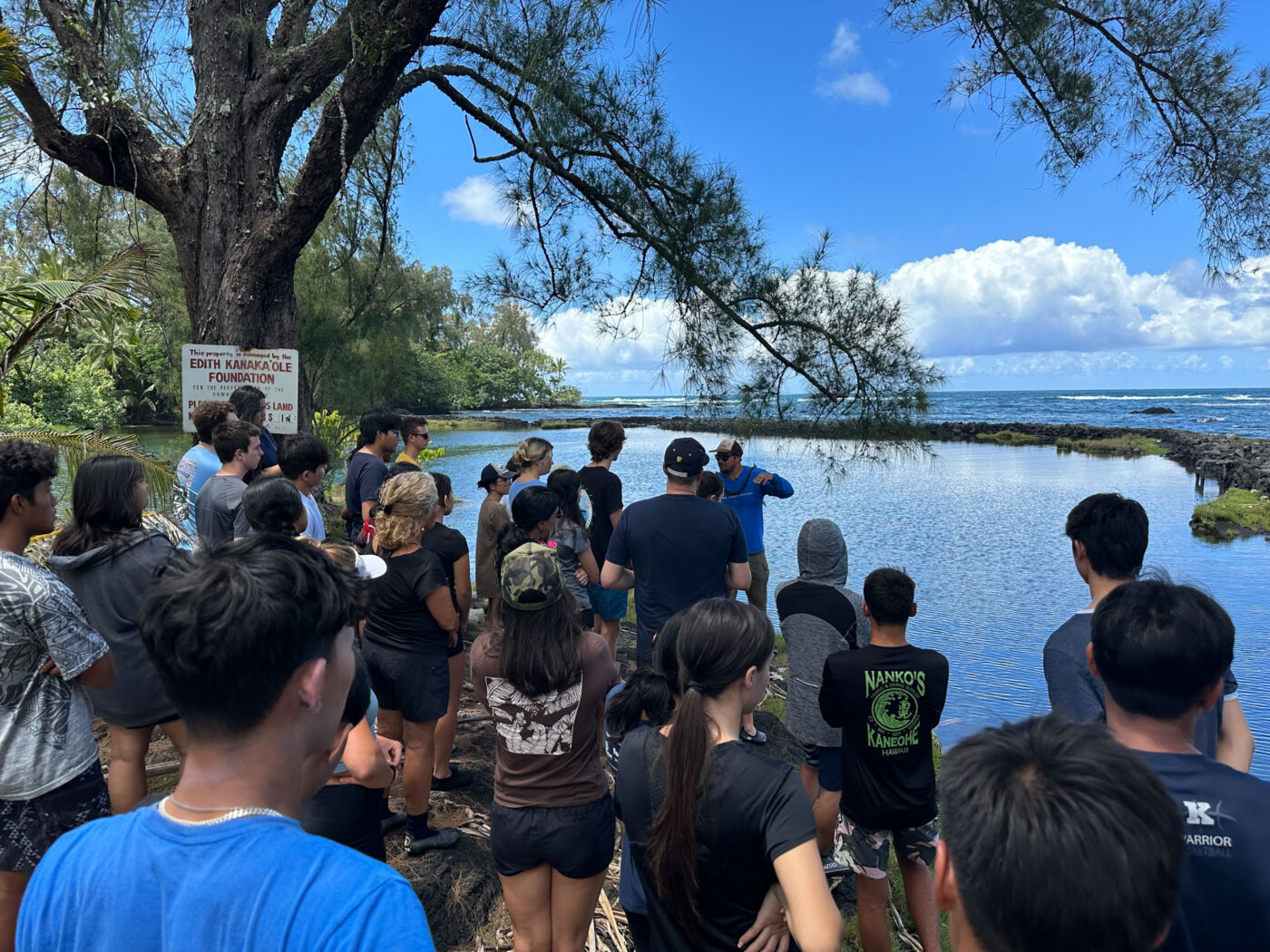
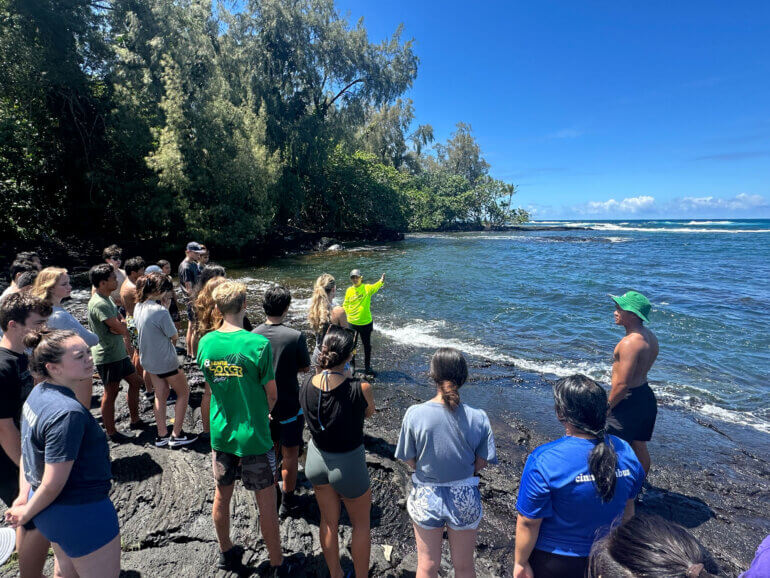
A defining feature of Nalukai is its integration of entrepreneurship with Native Hawaiian values and ʻāina-based learning. Each cohort is supported by a team that includes an entrepreneur, an educator, and a cultural practitioner, grounding innovation in place, relationships and responsibility. Daily reflections draw on ʻōlelo noʻeau to guide collaboration and decision-making.
These practices reflect a philosophy shared with Punahou: education should cultivate not only academic skill, but also character, empathy and responsibility to others. At Nalukai, students are encouraged to see leadership as relational and rooted in service.
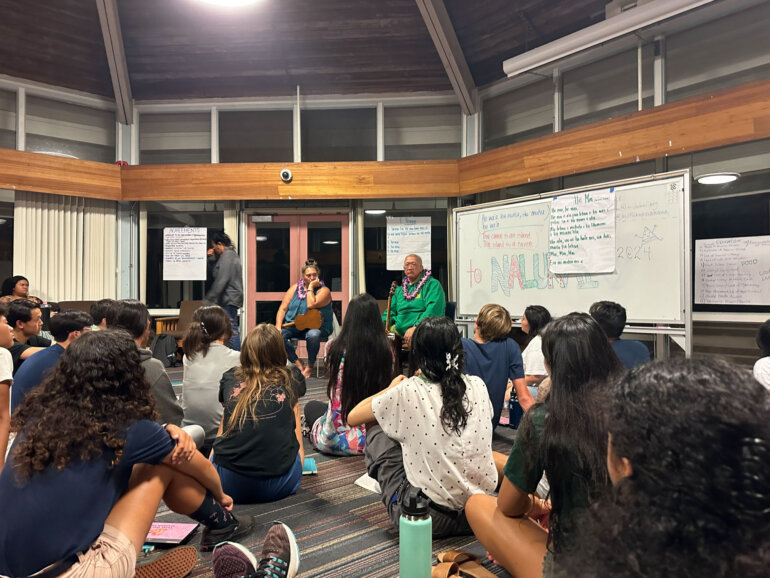
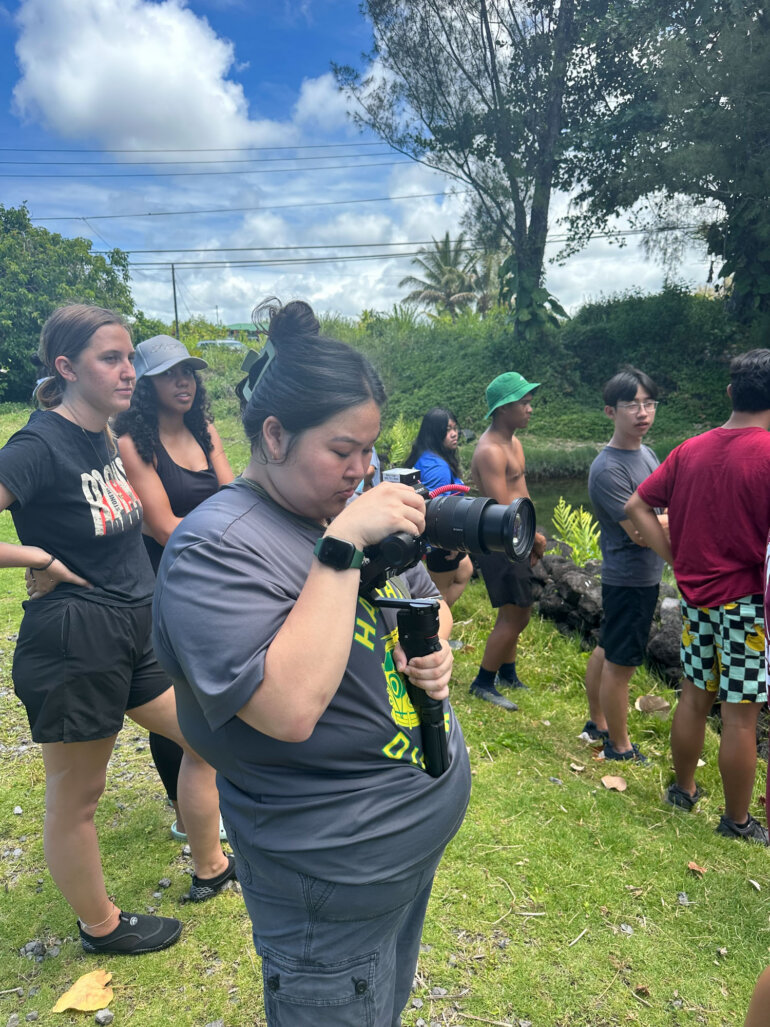
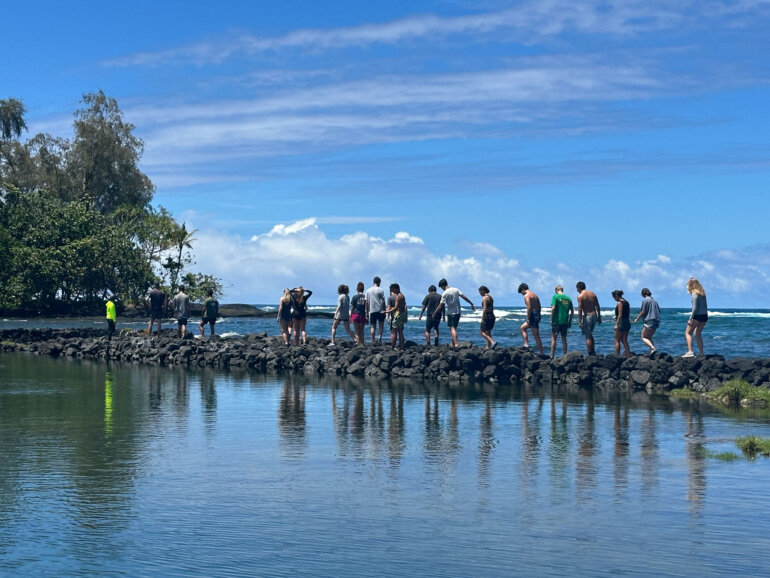
Students also learn from community mentors – sometimes called “kanaka-preneurs” – whose work models entrepreneurship grounded in stewardship and accountability. Place-based experiences, such as learning about fishpond stewardship at Hale o Lono or partnering with community organizations on restoration projects, reinforce the idea that entrepreneurship can serve people and place.
The program’s emphasis on relationships and reflection is shaped by Clarke’s own experience as a Punahou student. He credits faculty members who trusted students and centered listening, including Emma Pavich, with whom he worked as a peer counselor, and former dean Paula Kurashige, who modeled the importance of honoring student voice.
Clarke also recalls hearing alumna Marion Lyman-Mersereau ’70 speak about her experiences voyaging on Hōkūleʻa, which introduced him to leadership grounded in humility, courage and collective responsibility.
“These experiences at Punahou showed me that leadership is fundamentally relational,” Clarke said. “It’s about listening carefully, creating trust and helping young people recognize their own capacity to contribute.”
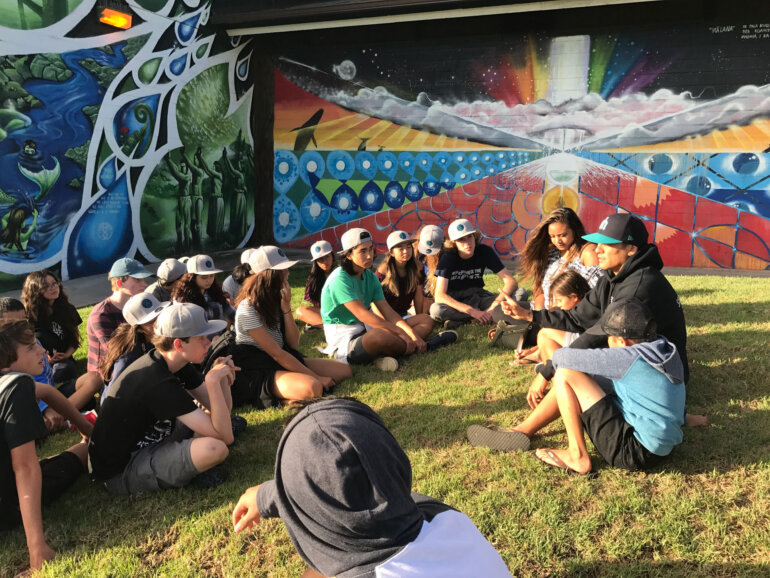
That philosophy continues to shape Nalukai today. Programs begin by prioritizing trust and relationship-building before moving into collaborative problem-solving. Students are encouraged to speak honestly, listen deeply and learn from one another – habits that support both academic growth and civic responsibility.
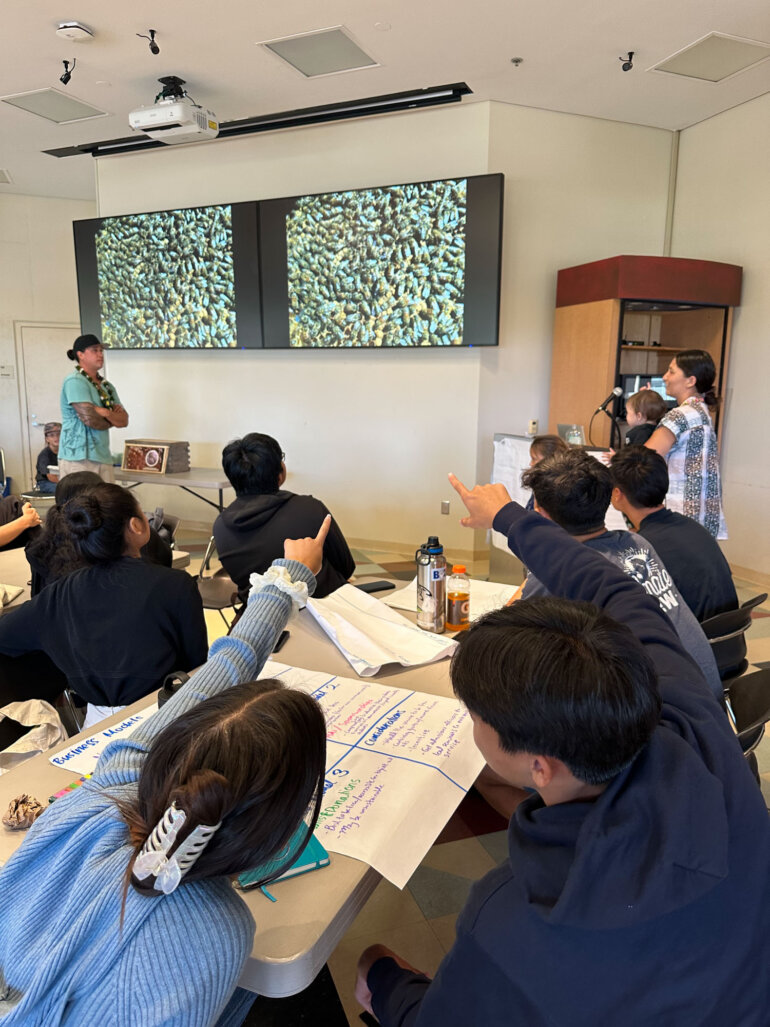
Each year, Nalukai brings together motivated high school students for an intensive residential experience in technology, entrepreneurship, and social leadership. Teams design solutions to real-world challenges, build prototypes, gather feedback and present their work to peers and community members.
Since its founding, Nalukai has distributed nearly $300,000 in technology to students, providing laptops that often support high school coursework and college preparation. Yet participants consistently say the most lasting impact comes from the relationships they build and the sense of belonging they develop.
For Clarke, that outcome matters most. “We’re not trying to turn students into entrepreneurs for the sake of entrepreneurship,” he said. “We’re trying to help them understand that they matter, that their ideas matter, and that they have a responsibility to one another and to this place.”
Several Punahou alumni – including Allen Murabayashi ’90, Carlo Liquido ’08 and Clarke – serve in leadership roles with Nalukai, strengthening ties between the organizations. Through their shared commitment to mentorship, student voice and place-based learning, Nalukai and Punahou reflect a common goal: preparing young people for thoughtful, grounded leadership in Hawaiʻi.
At its heart, Nalukai is about trust – trusting young people with meaningful responsibility and trusting that leadership grows through relationships. Through its work, Nalukai continues to invite the next generation to listen deeply, lead with care and help shape Hawaiʻi’s future with integrity and purpose.
Learn more about Nalukai here: https://nalukai.org/